
Kyoto Machi Chuka Club: Muromachi Roman Chapter - Special Feature: Kyoto Chanpon
Kyoto Machi Chuka Club: Muromachi Roman Chapter - Special Feature: Kyoto Chanpon
Couldn't load pickup availability
Behind the well-known "Kyoto flavors" such as obanzai and kaiseki cuisine, there lies the vibrant tradition of Kyoto's local Chinese diners (machichuka), which have been an integral part of daily life for generations. This book, "Kyoto Machichuka Club," was created with the aim of archiving these machichuka, which are gradually declining with the changing times, and using them to trace Kyoto's history.
This second issue, titled "Muromachi Roman Arc," focuses on the Muromachi area, where "Wei-Pa" (a famous Chinese seasoning) cars drive through the old kimono wholesaler district. It delves into the history of a town where kimono, Gion Matsuri, and a Chinese street coexist. The issue features a manga depicting the atmosphere of "Muromachi" in Muromachi-Nijo, known for its chanpon noodles, and a visual street observation record called "Chukaya Kansatsuroku," which focuses on the details of the interiors and exteriors of these Chinese restaurants, exploring their charm from multiple perspectives. Additionally, it includes columns, classification tables, and a Kyoto chanpon map that compare and analyze the many chanpon dishes found in Kyoto's machichuka with those from Nagasaki, conveying the history and depth of machichuka culture from a unique editorial perspective. Other features include "Chukaya Shubetsu-ko," which introduces specialty Chinese restaurants like gyoza and ramen shops, and "Woman's Lib and Machichuka," which discusses the relationship between women's social advancement and machichuka. This book is a must-read for anyone who loves Kyoto, illuminating the culture that supports the "ordinary life" of this city with an insatiable spirit of inquiry.
| Editing/Proofreading | Mifuyu Ando |
| Book Design/Illustrations | Shirobē |
| Publisher | Shirobē Shobo |
| Other | A5 / Softcover / 108P |

saki obata online exhibition "One Year"
-
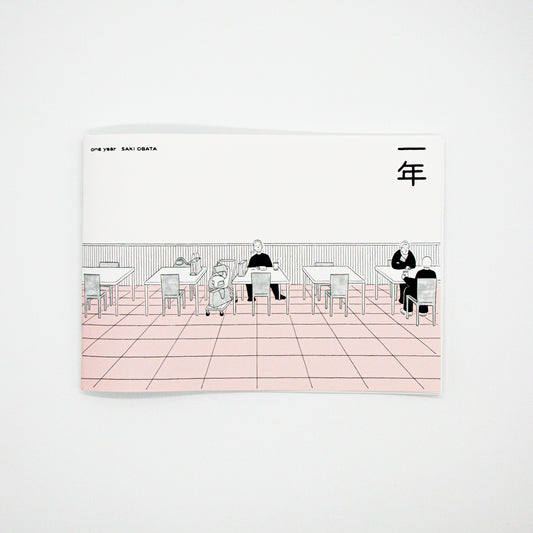
Ayaki Obata "One Year"
Regular price ¥1,650-Regular priceUnit price per -
 Sold out
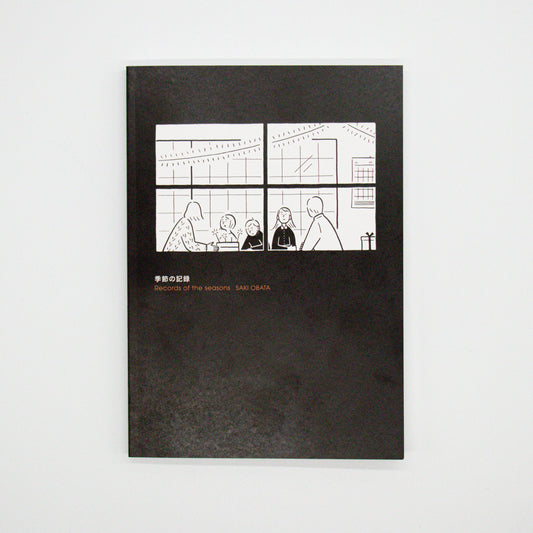
Ayaki Obata "Seasonal Records"
Regular price ¥2,200-Regular priceUnit price per -
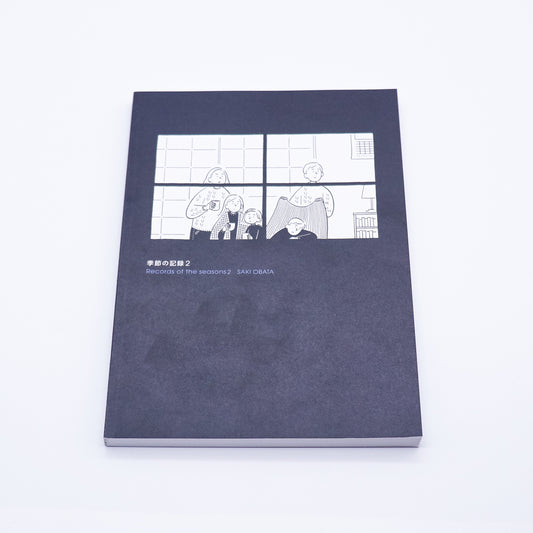
Obata Saki "Record of the Seasons 2"
Regular price ¥2,420-Regular priceUnit price per