
1920s Modernist Poets and Postwar Osaka's Poetic Culture
1920s Modernist Poets and Postwar Osaka's Poetic Culture
Couldn't load pickup availability
If we consider the past friendships with Ginichiro Hoshimura from Sennan and Unosuke Onishi, who frequented Dotonbori nightly while writing the serial poem "Akudō" (which I would call a "butterfly effect" on the anarchistic poet Jūzaburō Ono), and how those memories underpinned Ono's post-war poetic activities—in other words, if we understand that the poetic currents of the late 1920s to early 1930s, where Dadaism, anarchism, and communism churned together, embodied by Ginichiro Hoshimura co-founding the poetry magazine "Rateinsei Minzoku" with Seiichi Fujiwara, Unosuke Onishi publishing magazines like "Golden Bat Zoku," "Bisotushi," and "ASIA" with Hoshimura, and the acts of Seiichi Fujimura as a "Poetry Apostle," were revived in Ono Jūzaburō's poetic spirit after their post-war reunion, then new light may be shed on the significance of reissuing "Golden Bat Zoku," "Bisotushi," "Shishito," and "Shibunka." (From "Regarding Seiichi Fujimura" by Toshio Kimachi in this book)
Until now, the history of modern and contemporary poetry has left a significant void concerning Osaka. This modernist void, after the war, gave birth to "Shibunka," which revolved around Jūzaburō Ono and was the starting point for Ryūmei Yoshimoto as a poet.
Here, for the first time, the essence of Dotonbori modernism is portrayed!
Regarding "Shibunka" by Kenichi Kurahashi
Regarding Seiichi Fujimura by Toshio Kimachi
Regarding Unosuke Onishi by Daichi Hayashi
Selected Poems of Seiichi Fujimura (1929-1948)
and others
(From the publisher's website)
| Author | Kenichi Kurahashi, Toshio Kimachi, Daichi Hayashi |
| Publisher | Kohaku Shobo |
| Other | B6 / 134 pages / Softcover |

saki obata online exhibition "One Year"
-
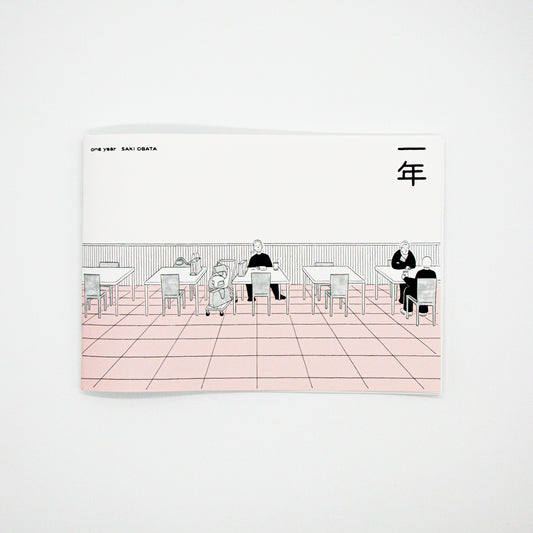
Ayaki Obata "One Year"
Regular price ¥1,650-Regular priceUnit price per -
 Sold out
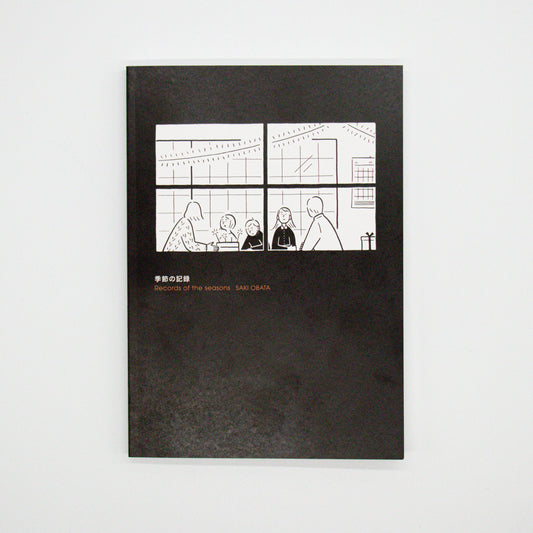
Ayaki Obata "Seasonal Records"
Regular price ¥2,200-Regular priceUnit price per -
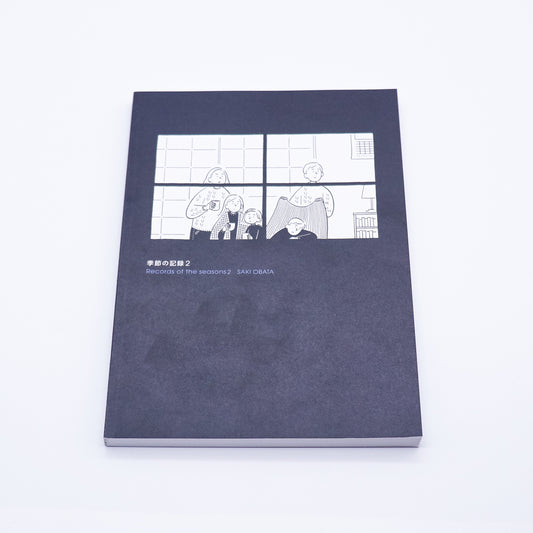
Obata Saki "Record of the Seasons 2"
Regular price ¥2,420-Regular priceUnit price per