
Kyoto Machichuka Club: Mibu Dungeon Chapter - Special Feature: Gyoza
Kyoto Machichuka Club: Mibu Dungeon Chapter - Special Feature: Gyoza
Couldn't load pickup availability
I wanted to write about the "Kyoto-ness" found in everything: the people who make it, the people who eat it, the atmosphere of the shop, and the scenery of the town where the shop is located.
Behind the representative "tastes of Kyoto" such as obanzai and kaiseki cuisine, there are traditional Kyoto-style Chinese restaurants that have long thrived among the common people. This book, "Kyoto Machichuka Club," was created with the aim of archiving these dwindling Machichuka (town Chinese restaurants) and tracing Kyoto's history. This third issue, released nearly three years after the second, features the Mibu area and gyoza. The issue covers the history of the Mibu area, which traces remnants of its past as a vital logistics and transportation hub and offers insights into Kyoto's modernization. It also includes a silent manga spanning over 40 pages, illustrating the charm of "Gyoza no Mise Ryuen" on Shichihonmatsu-dori. Furthermore, it delves into the "Ohsho" culture, which has set the standard for taste and price among present-day Kyotoites, gyoza in Machichuka before Ohsho, a list of shops selling gyoza with their price lists, and Machichuka in Showa-era films. This third issue is packed with rich content.
| Editing/Proofreading | Mifuyu Ando |
| Book Design/Illustrations | Shirobē |
| Publisher | Shirobē Shobō |
| Other | A5 / Softcover / 108P |

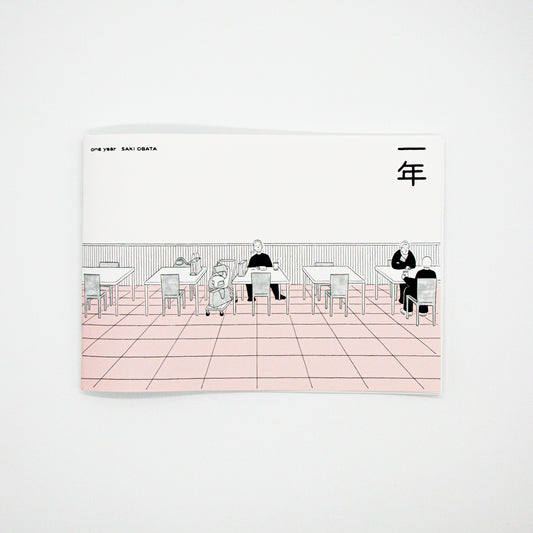
saki obata online exhibition "One Year"
-
Ayaki Obata "One Year"
Regular price ¥1,650-Regular priceUnit price per -
 Sold out
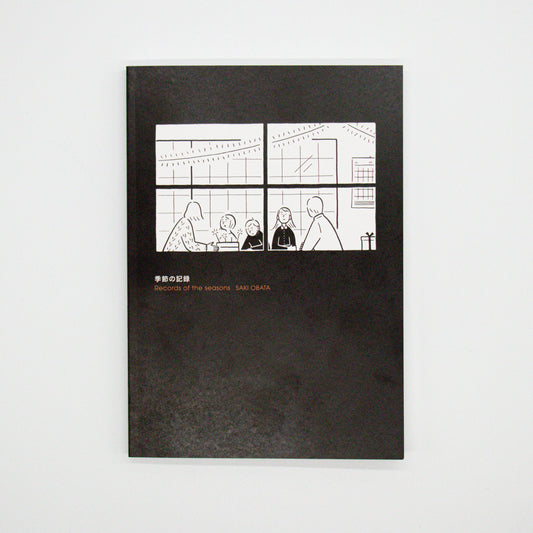
Ayaki Obata "Seasonal Records"
Regular price ¥2,200-Regular priceUnit price per -
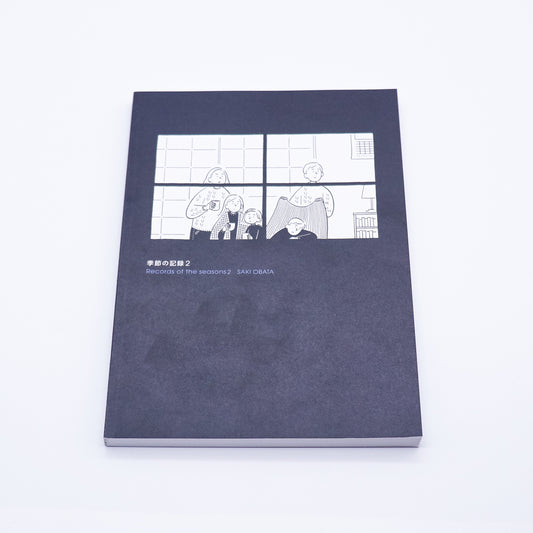
Obata Saki "Record of the Seasons 2"
Regular price ¥2,420-Regular priceUnit price per