

[Signed by Translator Jun Kudo] Andrey Platonov, *Chevengur* (translated by Jun Kudo and Yuki Ishii)
[Signed by Translator Jun Kudo] Andrey Platonov, *Chevengur* (translated by Jun Kudo and Yuki Ishii)
Couldn't load pickup availability
*This is a signed book by translator Jun Kudo.
A solitary soul who continues to question the meaning of life after the revolution. One of the greatest 20th-century novels, once deemed "untranslatable," finally reveals its full scope from within a fog of "Russian melancholy (tuska)"! —Kyoko Numano
If only I could be like Platonov —Pier Paolo Pasolini (Film Director, Poet)
There were three important writers in the 20th century —Beckett, Kafka, and Platonov —Slavoj Žižek (Philosopher)
A "utopia" of love and melancholy. The last masterpiece remaining in the fertile forest of Russian literature, translated into Japanese for the first time.
Alexander (Sasha), whose father drowned himself in a lake out of an escalating interest in death, is taken in by the Dvanov couple. He eventually becomes a Bolshevik and, together with his companion and close friend Kopyonkin, wanders through the region in search of communism, ultimately discovering Cheuvengur, an idealized land where communism has been perfected.
This is the representative work of Platonov, often called "the most enigmatic and most unorthodox Russian writer," and his only completed full-length novel during his lifetime. It is the last masterpiece remaining in the fertile forest of Russian literature, translated into Japanese for the first time.
"'Cheuvengur' [...] is filled with episodes depicting things that reverse reality, keeping in mind world-historical impacts such as World War I and theThe Russian Revolution. Through these, 'the Russian Revolution as it might have been' is depicted." (From the "Commentary" in this book)
◎Commentary = Satoru Furukawa "The Russian Revolution as it might have been"
◎Appendices = P. P. Pasolini "Andrei Platonov's 'Cheuvengur'" + Related Maps + Main Characters
(From the publisher's website)
| Author | Andrei Platonov |
| Translators | Jun Kudo, Yuki Ishii |
| Publisher | Sakuhinsha |
| Other | B6 size / Hardcover / 632 pages |
![[Signed by Translator Jun Kudo] Andrey Platonov, *Chevengur* (translated by Jun Kudo and Yuki Ishii)](http://nagorobooks.com/cdn/shop/files/book-5-6_3c5264b2-2a72-4762-aa4b-3ae6e7d9fe91.jpg?v=1775728963&width=1445)
![[Signed by Translator Jun Kudo] Andrey Platonov, *Chevengur* (translated by Jun Kudo and Yuki Ishii)](http://nagorobooks.com/cdn/shop/files/book-06-3_f7de90d6-8806-4665-8b0d-bda16c89999f.jpg?v=1775728964&width=1445)
saki obata online exhibition "One Year"
-
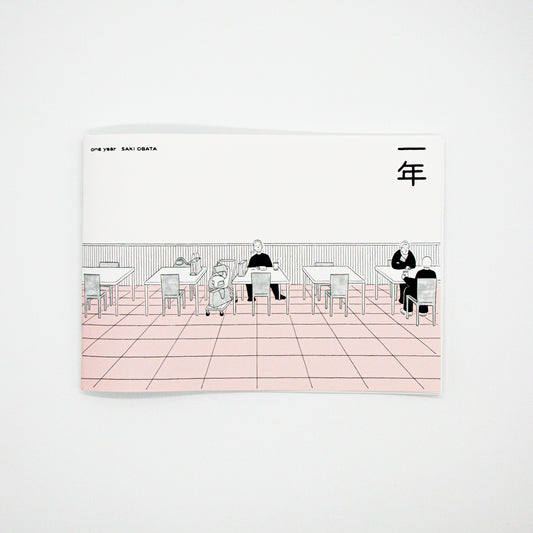
Ayaki Obata "One Year"
Regular price ¥1,650-Regular priceUnit price per -
 Sold out
Ayaki Obata "Seasonal Records"
Regular price ¥2,200-Regular priceUnit price per -
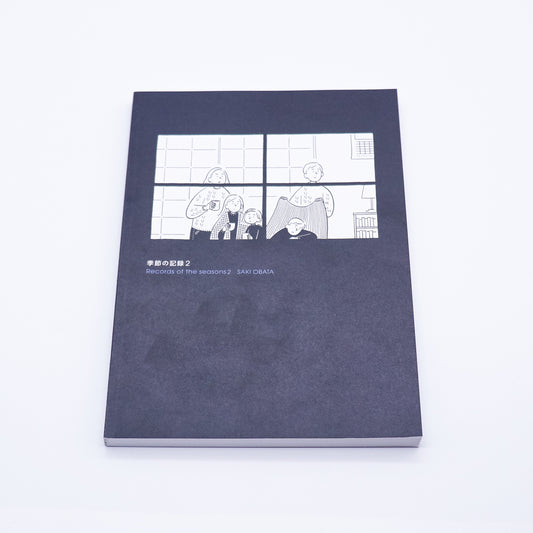
Obata Saki "Record of the Seasons 2"
Regular price ¥2,420-Regular priceUnit price per